
News & Views

News, Articles and Comment

The latest news and views in the UK Military Maritime Arena.

You're viewing the public website sign in or join for full access

Join Now

Showing all

1265
25
Air Defence, Air Power, Armed Forces, Carrier Strike Group, Combined Arms, Doctrine, Equipment Capability, Fleet Air Arm, Force Structure, Joint Forces, Maritime Strategy, Modernisation, National Defence, Naval Architecture, Naval Aviation, Naval Platforms, Naval Warfare, Risk Management, Sea Power, Second World War, Service Culture, Shaping The Future, Technology
11 minutes, 3 seconds

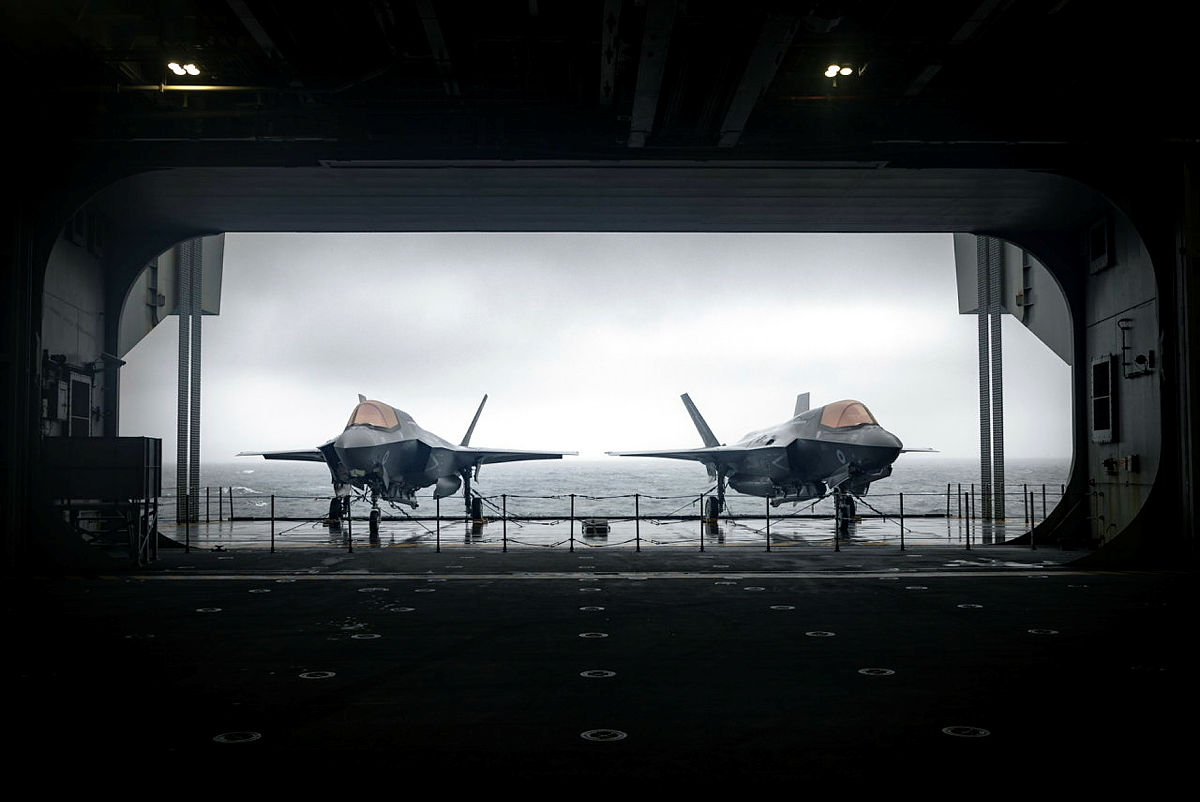
Long Live the Aircraft Carrier

By SLt Joe Reilly RN,
11 Feb 25

Ed. The author takes on the classic systemic technological argument of naval platform obsolescence. Reprinted from the United States Naval Institute Proceedings with permission. A 10 minute read.

Read more

1114
93
Amphibious Operations, Addressing Current Reality, Anti-Submarine Warfare, Armed Forces, Budgets and Finance, Carrier Strike Group, Civil-Military Relations, Climate Change, Combined Arms, Defence Engagement, Defence Industry, Dockyards & Ports, Equipment Capability, Force Structure, General, Industry, Joint Forces, Maritime Security, Maritime Strategy, Merchant Navy, Mine Countermeasures, Ministry of Defence, Modernisation, National Defence, NATO, Naval Architecture, Naval Engineering, Naval Platforms, Procurement, Readiness, Risk Management, Royal Fleet Auxiliary, Royal Marines, Sea Power
13 minutes, 18 seconds

The need for corvettes: a case study

By Plowdew,
05 Feb 25

Ed. With particular attention to amphibious capabilities, the author makes the case for corvettes as the basis for RN fleet expansion. A 15 minute read.

Read more

939
7
Addressing Current Reality, Admiralty, Air Defence, Air Power, Anti-Ballistic Missiles, Armed Forces, Black Sea, Budgets and Finance, China, Civil-Military Relations, Climate Change, Constabulary, Defence Industry, Environment, Equipment Capability, First World War, Fleet Air Arm, Force Structure, General, Geostrategy, Globalisation, Historiography, History of Science, Industry, Institutions, Leadership, Maritime Security, Maritime Strategy, Maritime Trade, Ministry of Defence, National Defence, Naval Architecture, Naval Engineering, Naval Platforms, Naval Staff, Procurement, Risk Management, Sea Power, Technology, Unmanned Aerial Vehicles
15 minutes, 55 seconds

Speed, Distance, Time, Science & Cost: The Dongfeng-Induced Conundrum

By Roger Plumtree,
27 Nov 24

Ed. The author continues his Cassandra call for counter-intuitive solutions targeting RN hull number shortages amidst perilous fiscal conditions. A 15 minute read.

Read more

880
3
Arctic, Baltic, Budgets and Finance, China, Coast Guard, Combined Arms, Constabulary, Defence Industry, Diplomacy, Doctrine, Energy, Engineering, Environment, Equipment Capability, Geostrategy, Hydrographic Survey, Industry, Maritime Strategy, Maritime Trade, Naval Architecture, Naval Engineering, Naval Platforms, Nuclear Power, Oceanography, Oil & Gas, Procurement, Risk Management, Royal Canadian Navy, Russia, Sea Power, Shaping The Future, Surveillance, Technology, Trade Interdiction and Protection, Ukraine, United States Navy
22 minutes, 20 seconds

Icebreakers: Future Force Projection? Often Overlooked Vessels For An Increasingly Strategic Arena

By James W Monroe,
01 Nov 24

Ed. Many leading Arctic nations are engaging programmes to build more icebreakers or to otherwise modernise or refit their icebreaking capability. China is an emerging polar nation with icebreakers and an overall presence in the Arctic only set to increase – and perhaps to overtake existing Russian Arctic dominance. A 20 minute read.

Read more

1154
Air Defence, Anti-Submarine Warfare, Armed Forces, Autonomous Vehicles, Defence Industry, Engineering, Equipment Capability, Force Structure, Naval Architecture, Naval Engineering, Naval Platforms, Naval Tactics, Naval Warfare, Oceanography, Procurement, Sea Power, Shaping The Future, Submarines, Ukraine
4 minutes, 24 seconds

An Evolution of the Three Ds of Robotics: The Six Ds of Marine Autonomy

By Jake Rigby,
01 Oct 24

Ed. The author, BMT’s Global Head of Innovation and Research, argues that the robotics revolution has introduced new air defence and anti-submarine tactical options, with implications for platform survivability and systems economy – but only if naval planners act to fully integrate marine autonomy. A 5 minute read.

Read more

1095
10
Armed Forces, Australia, Budgets and Finance, Defence Industry, Equipment Capability, Force Structure, Joint Forces, Logistics, National Defence, Naval Architecture, Naval Engineering, Naval Platforms, Nuclear Deterrence, Procurement, Royal Australian Navy, Shaping The Future, Submarines, Technology, Uncrewed Underwater Vehicles (UUVs)
11 minutes, 46 seconds

Reducing Dreadnought and Follow On SSN Risks, Costs and Time to Achieve an Operational Capability

By RAdm Peter Briggs RAN,
09 Feb 24

Ed. The author argues that the expense of Astute and delays in Dreadnought development threaten success of the AUKUS plan for a next generation SSN. Both the RAN and RN should consider buying future USN Virginia-class submarines to quickly fulfill the SSN-AUKUS mandate. A 10 minute read.
Read more

1637
Age of Sail, Dockyards & Ports, Engineering, History of Science, Industrial Revolution, Learning From The Past, Napoleonic Wars, Naval Architecture, Naval Engineering, Naval History, People, Technology
26 minutes, 51 seconds

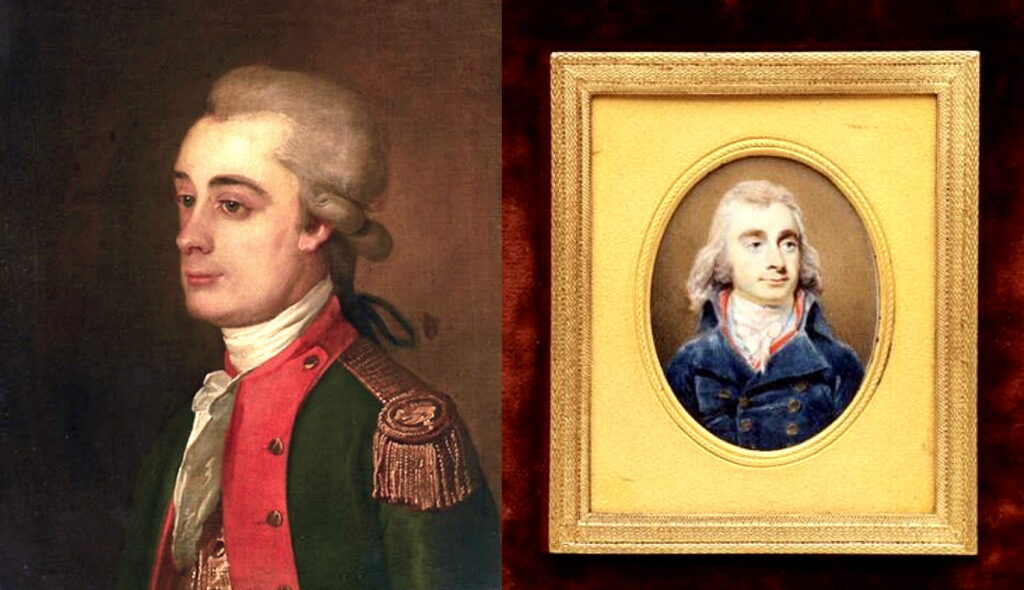
Sir Samuel Bentham 1757-1831: Civil Architect and the First Engineer of the Royal Navy

By CPT JOHN WILLS RN (RTD) AND KEN FLEMING,
08 Mar 23

Ed. Not too unlike the Hellenstic inventor Archimedes and his patron Hiero II of Syracuse, or 20th century technologists such as Bob Noyce and William Shockley, brothers Samuel and Jeremy Bentham were a pair of functionalist Georgian characters. While Jeremy is well known for his contributions to the Reform Movement and utilitarian philosophy, the younger brother Samuel, a prototypical early steam-era inventor and Royal Navy engineer, in the mold of predecessors such as Thomas Slade and Charles Middleton, or successors like Sir Robert Seppings and Sir Nathaniel Barnaby, is less well known. The authors herein examine Samuel Bentham’s life and work. A 30 minute read.

Read more

You're viewing the public website sign in or join for full access

Join Now