

News & Views
News, Articles and Comment
The latest news and views in the UK Military Maritime Arena.
Showing all
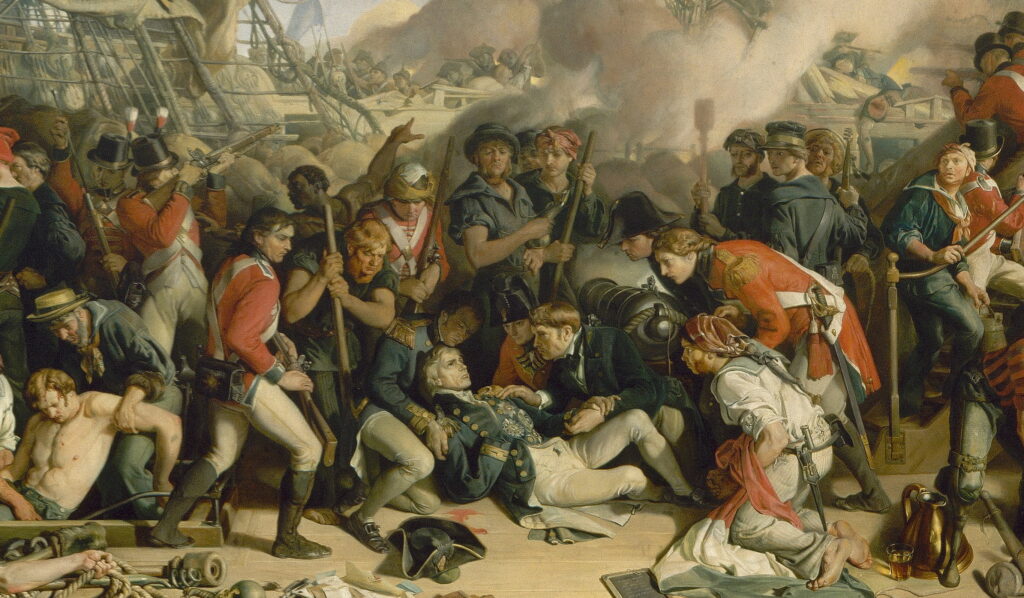
A Tribe of Fighting Sailors: An Entangled History
Ed. With the imperative for liminal advantage in mind, the author explores the necessity of Diversity and Inclusion, duty, and the values that underline the modern Naval Service. A 10 minute read.
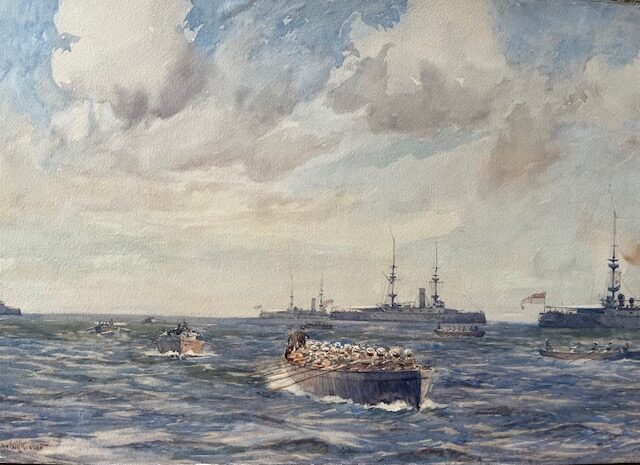
The ‘Art’ of Admiralty -‘Away all Boats’
Captain Rick Cosby established Maritime Originals (www.maritimeoriginals.com) and Maritime Prints (www.maritimeprints.com) over a quarter of a century ago and his […]
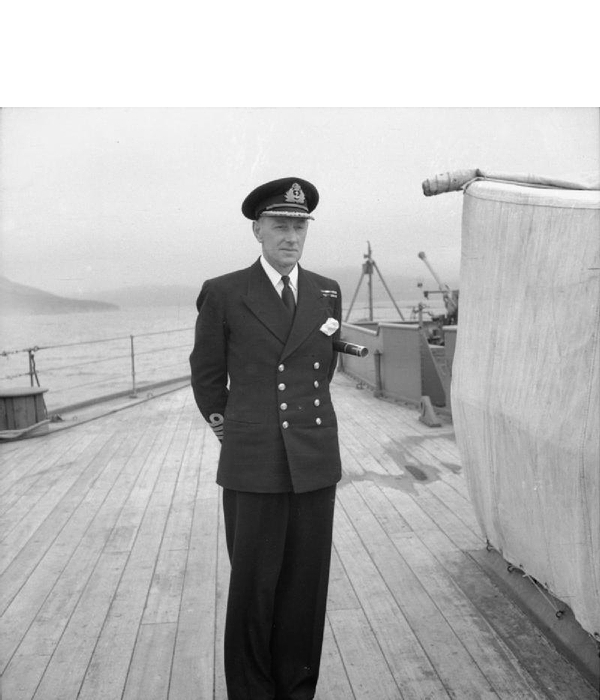
The Wartime Friendship Between Prime Minister Churchill and Capt J C Leach MVO DSO RN
Ed. Matthew Wills paints a vivid picture of Churchill’s crossing to Newfoundland for the famous August 1941 Atlantic Conference meeting with Roosevelt. The firm hand of Captain John C Leach of HMS Prince of Wales ensured a smooth crossing for this high diplomatic mission. A 10 minute read.

Cultural Property Protection is a Legal and Moral Responsibility, so why is the RN not involved?
Ed. Protecting cultural heritage has profound subsidiary implications for diplomatic and naval missions that the modern RN cannot ignore. The author argues that a balanced Navy, and especially the Maritime Reserve, must be proactive when it comes to preventing looting and piracy that attack the cultural foundations of Allied and neutral nations. A 10 minute read.
Recent announcements…
At this difficult time for His Majesty the King and the Princess of Wales, and the wider Royal Family, we […]
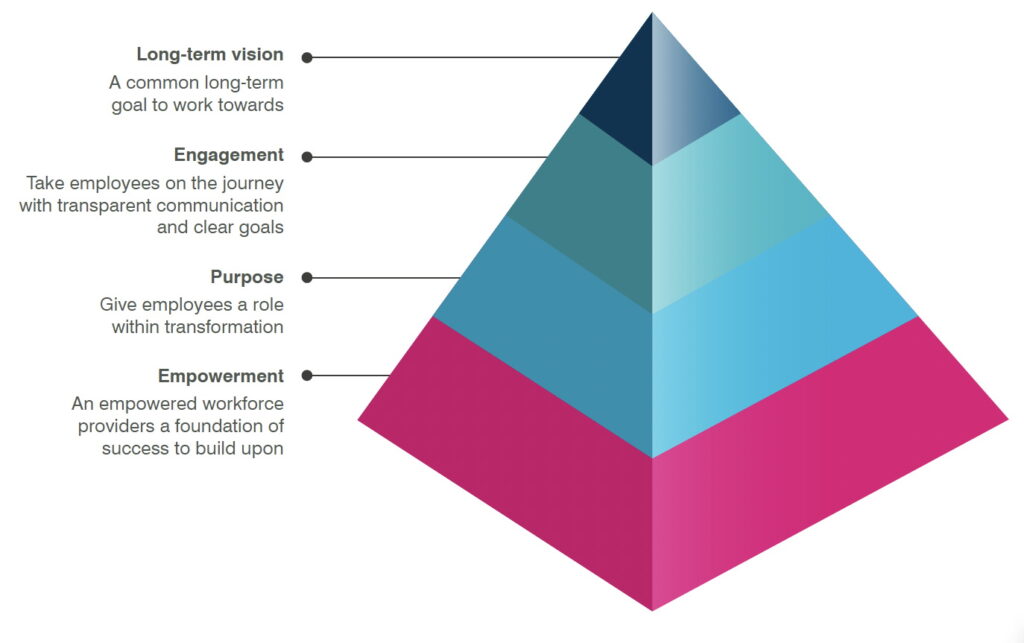
The Complexity of Trust: How to harness trust to build a better future in the public sector
Ed. What can public institutions do to rebuild long-term trust in the wake of seismic shifts in public perceptions of government accountability? Clear articulation of goals and persistent public buy-in are essential. The NR is delighted to welcome this sponsored essay from BMT Group. A 15 minute read.
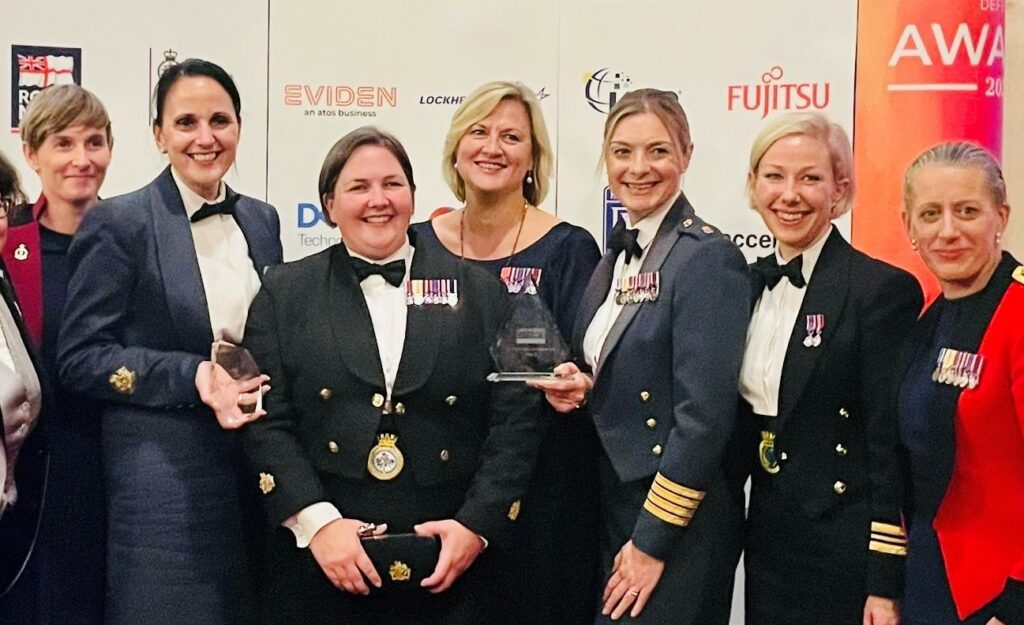
Naval Servicewomen’s Network ‘Your Network is your Net–Worth’
Ed. For our second article to celebrate International Women’s Day we celebrate the Naval Servicewomen’s Network (NSN). The eagle eyed among you will note that over the last six weeks 33% of the 21 articles we have published on the NR website have been written by women. Thank you Ladies, the door remains open to write for us as and when you desire.

Seablindness and the Royal Navy after 1964
Ed. With his trademark dissection of the conventional wisdom, the author argues that the concept of ‘seablindness’ is merely window dressing for the fundamental misunderstanding of the principles of British national strategy that has manifested over the last 60 years. A 20 minute read.
Chief of Defence Staff – Chatham House Speech 27 Feb 24
Ed. Chief of the Defence Staff Admiral Sir Tony Radakin gave a keynote speech at Chatham House Security and Defence Conference on 27 February 2024. Re-published here for those who may have missed it…