

News & Views
News, Articles and Comment
The latest news and views in the UK Military Maritime Arena.
Showing all

Latest Book Review, 7 July
BRE. The latest book review is now available. It looks at the role of naval exploration and science in the first half of the 19th century in the US, covering the period from the end of the War of 1812 to the Civil War.

Some Reflections upon the Battle of the Atlantic, 1939- 1945, and Historic Maritime Operational Research – III & IV
Ed. David Waters concluded his 1995-1996 series of reflections on the Battle of the Atlantic [84/2 & 84/3] by returning to the question of convoy ‘laws’ and his concern that ideological assumptions and abstract thought concerning future operations would once again take precedence over the scientific conclusions he had reached forty years before. A 25 minute read.
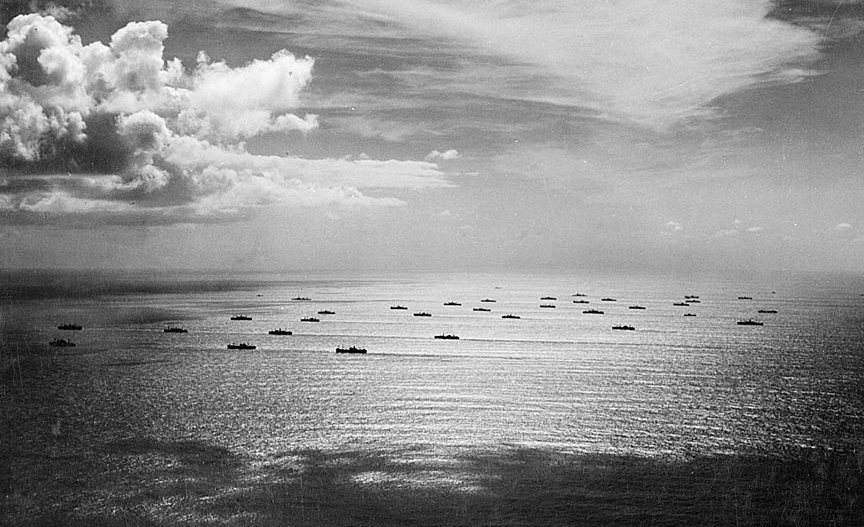
Seamen, Scientists, Historians and Strategy
Ed. Former Naval Staff historian D. W. Waters originally presented this essay as the Presidential Address to the British Society for the History of Science in 1978. It was reprinted in the NR over two volumes in 1984 [72/3 & 72/4]. Waters’ conclusions, based on the rigorous data analysis conducted for the Defeat of the Enemy Attack upon Shipping (1957), demonstrated mathematically the superiority of escorted convoys over independent sailings during the U-boat conflicts of 1914-1918 and 1939-1945. Reproduced here as part of the 80th anniversary of the Battle of the Atlantic. A 40 minute read.
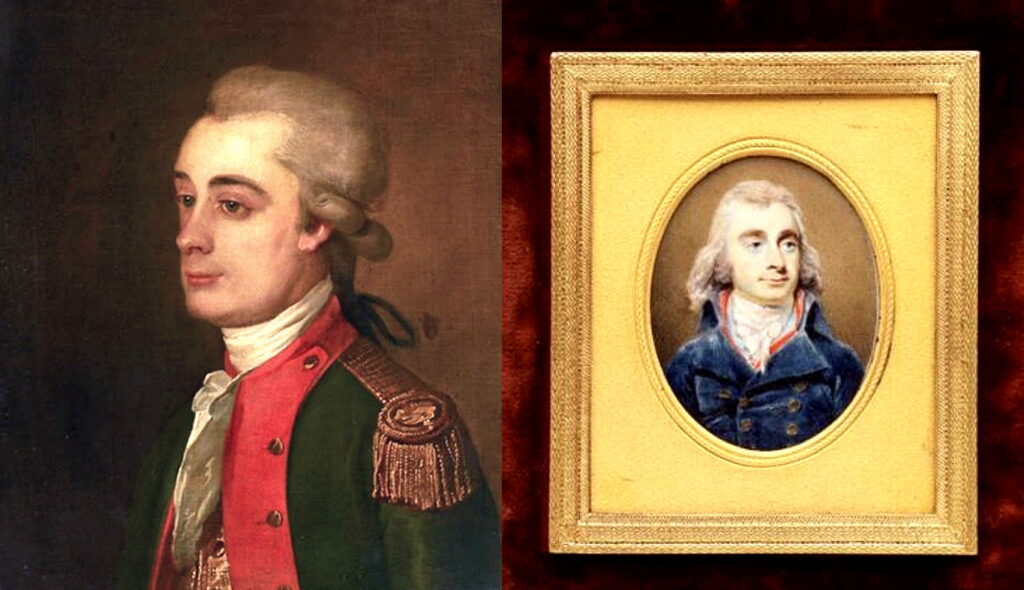
Sir Samuel Bentham 1757-1831: Civil Architect and the First Engineer of the Royal Navy
Ed. Not too unlike the Hellenstic inventor Archimedes and his patron Hiero II of Syracuse, or 20th century technologists such as Bob Noyce and William Shockley, brothers Samuel and Jeremy Bentham were a pair of functionalist Georgian characters. While Jeremy is well known for his contributions to the Reform Movement and utilitarian philosophy, the younger brother Samuel, a prototypical early steam-era inventor and Royal Navy engineer, in the mold of predecessors such as Thomas Slade and Charles Middleton, or successors like Sir Robert Seppings and Sir Nathaniel Barnaby, is less well known. The authors herein examine Samuel Bentham’s life and work. A 30 minute read.