

News & Views
News, Articles and Comment
The latest news and views in the UK Military Maritime Arena.
Showing all
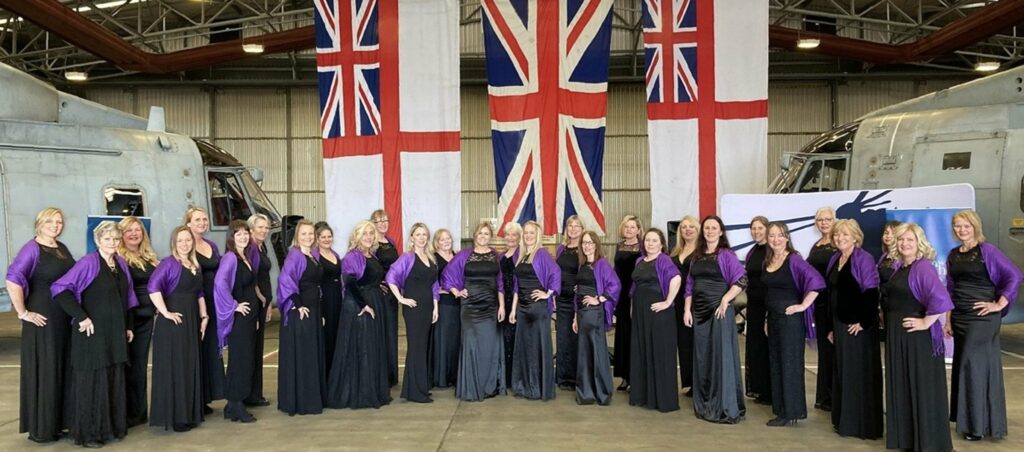
Understanding Women Impacted By Their Military Connection
Ed. In celebration of International Women’s Day, the NR is proud to present the first of two articles on serving women’s networks. Caroline Paxton, Chair of Trustees for The Military Wives Choirs Foundation, provides this introduction to the Military Wives Choirs and their unique membership and opportunities. A 10 minute read.
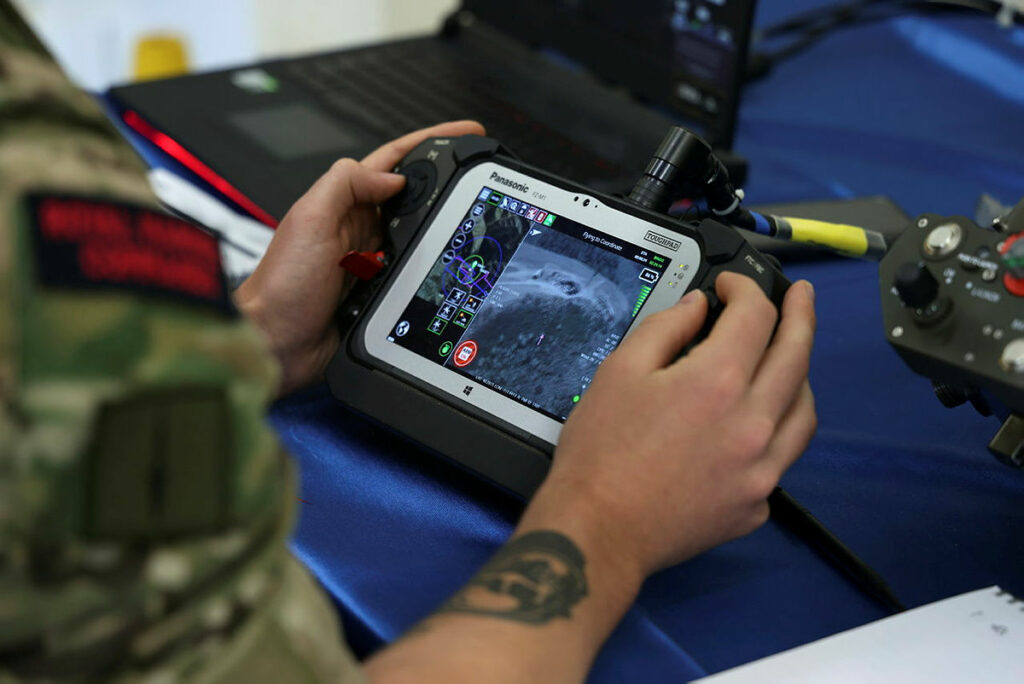
Beyond Boundaries: Exploring human enhancement and its integration with the Royal Navy
Ed. In this third article in the NR’s series featuring BRNC Pellew Division officer cadets, the author explores the appeal and consequences of human augmentation and robotics for the Royal Navy, raising important questions about the nature and future of war itself. A 10 minute read.
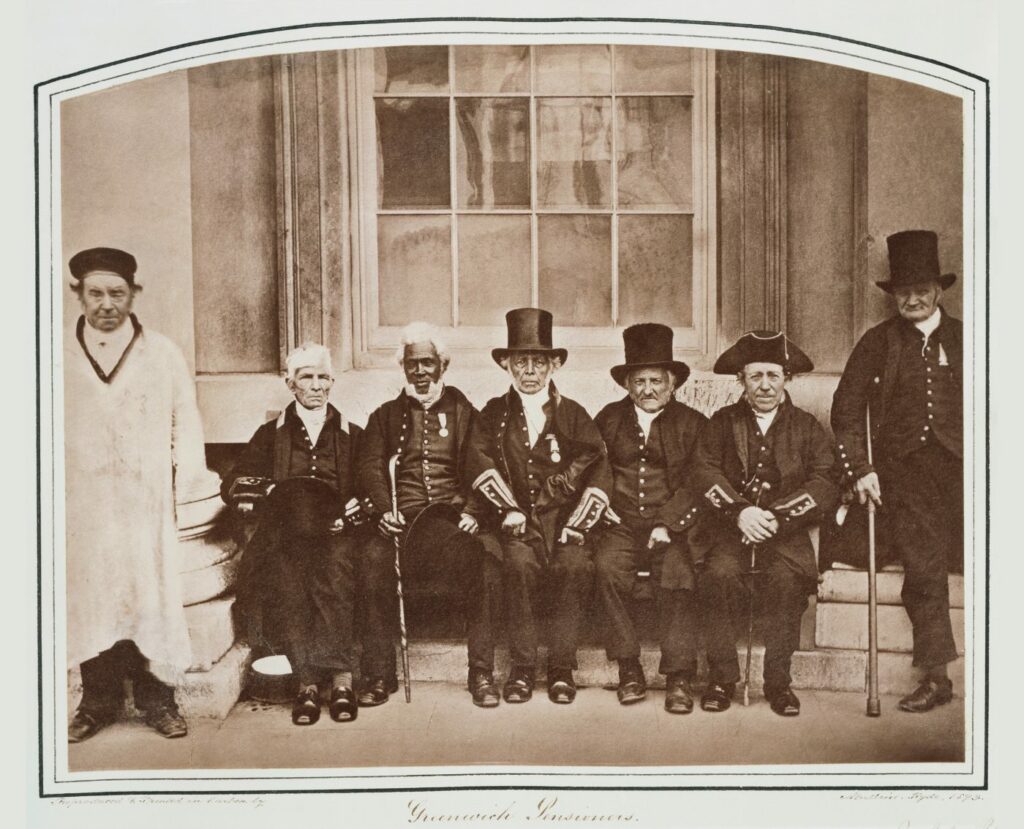
The Man in the Margins – The Black Sailor’s Voyage to Nelson’s Column (II)
Ed. As a diversity and inclusion resource for Black History Month, in the second article of a two-part series, the author examines how slavery, the law and conflict pushed black sailors into the Royal Navy before and after Trafalgar, and how those black sailors were treated. A 40 minute read.

Improving care for the Armed Forces community in England
Ed. The Veterans Covenant Healthcare Alliance (VCHA) has been accrediting NHS providers with Veteran Aware certification since the 2014 Chavasse Report, with the goal of accrediting all NHS and independent sector providers in England by early 2024. The author provides an update on the VCHA’s progress to date. A 5 minute read.

The General Practitioner and the Veteran
Ed. The author explores the efforts of the medical profession to respond to the needs of the veteran community, specifically highlighting the NHS accreditation programme organized by the Royal College of General Practitioners (RCGP). A 10 minute read.