News & Views

News, Articles and Comment

The latest news and views in the UK Military Maritime Arena.

You're viewing the public website sign in or join for full access

Join Now

Showing all

135
2
20th Century, Air Defence, Amphibious Operations, Argentina, Blockade, Campaigns, Coastal Forces, Combined Arms, Command & Control, Engineering, Equipment Capability, Falklands War, Leadership, Learning From The Past, Littoral, Logistics, Maritime Security, Military History, Mission Command, Naval Engineering, Naval Gunfire Support, Naval History, Naval Platforms, Naval Tactics, Naval Warfare, Operational Art, People, Royal Marines, Royal Navy, Sea Control, Surveillance, Tactics, Technology
23 minutes, 32 seconds

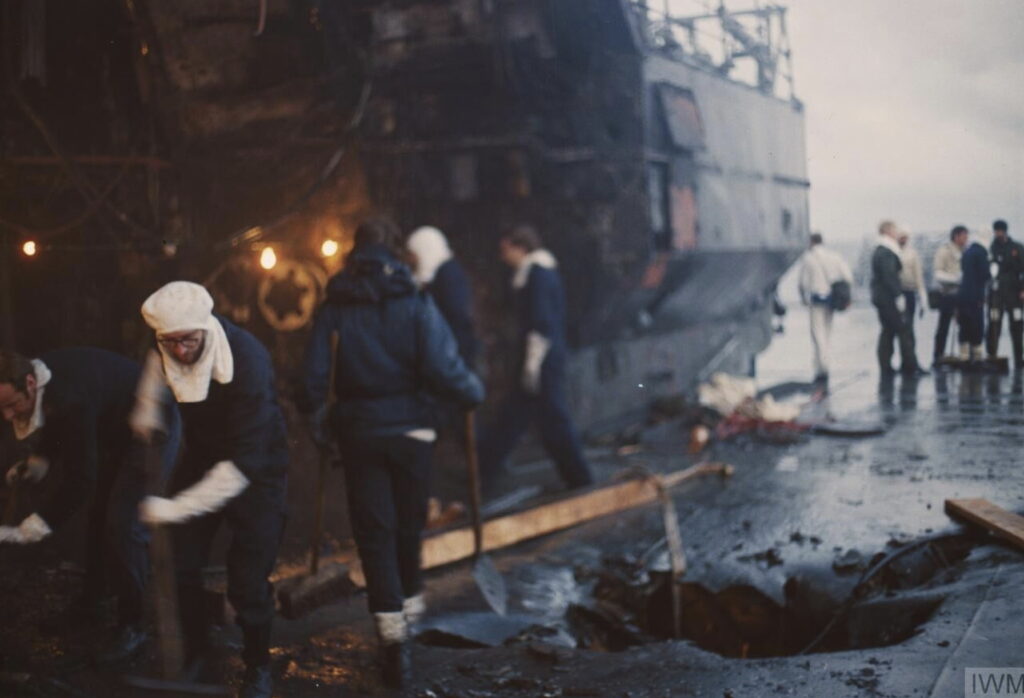
The Last Exocet: Adaptation, Predictability and Survival off the Falklands

By Hal Sinton,
05 Nov 26

Ed. A case study in operational necessity and the fog of war during the 1982 Falklands campaign, with a look on ‘the other side of the hill’. A 25 minute read.
Read more

460
20th Century, 19th Century, Air Defence, Anti-Submarine Warfare, Armed Forces, Artificial Intelligence, Autonomous Vehicles, Black Sea, Blockade, Campaigns, CASD, Civil-Military Relations, Coastal Forces, Cold War, Combined Arms, Command & Control, Deterrence, Doctrine, Equipment Capability, Fleet Air Arm, Game Theory, General, Geostrategy, Industry, Information Operations, Infrastructure, Institutions, Joint Forces, Leadership, Logistics, Maritime Strategy, Mine Warfare, Ministry of Defence, Modernisation, National Defence, Naval Aviation, Naval Engineering, Naval History, Naval Platforms, Naval Warfare, Operational Art, Organisational Theory, People, Procurement, Royal Navy, Russia, Sea Control, Sea Power, Service Culture, Strategy, Submarines, Supply Chains, Tactics, Technology, The Naval Review, Ukraine, Uncategorized, Uncrewed Surface Vessels (USVs), United Nations, Unmanned Aerial Vehicles, USNI
28 minutes, 51 seconds

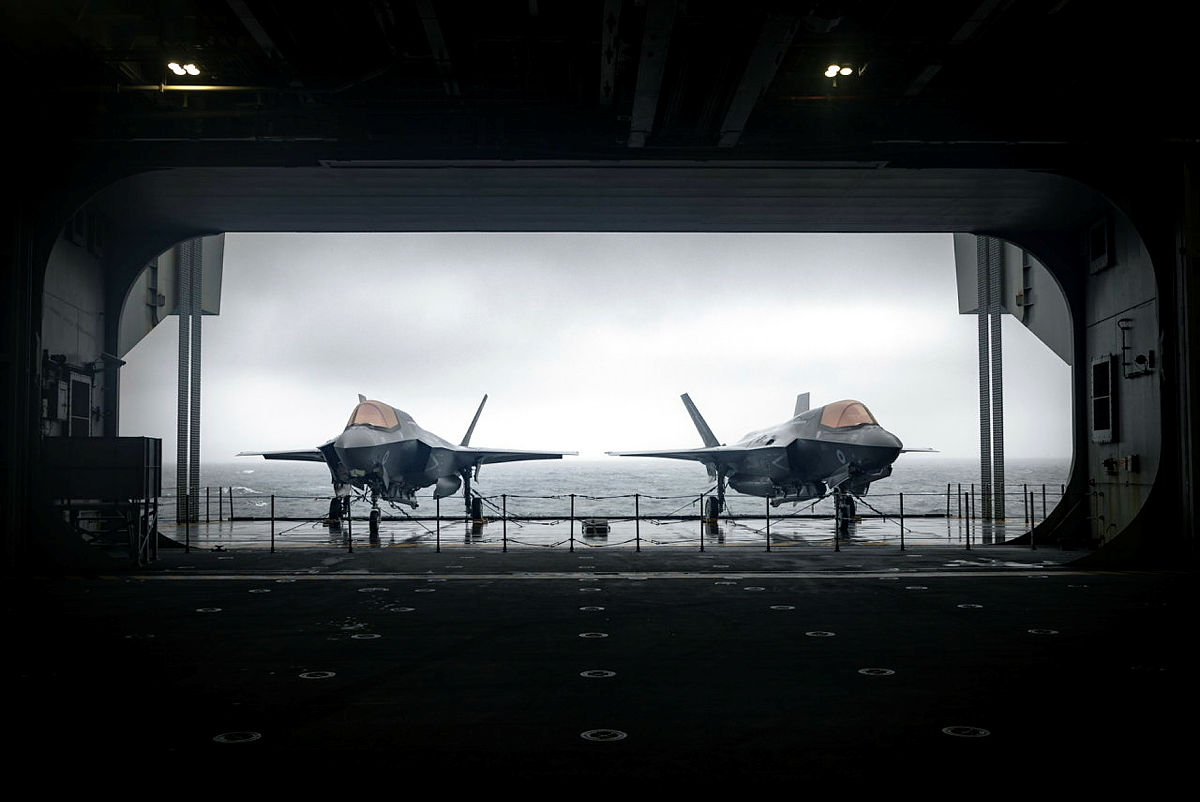
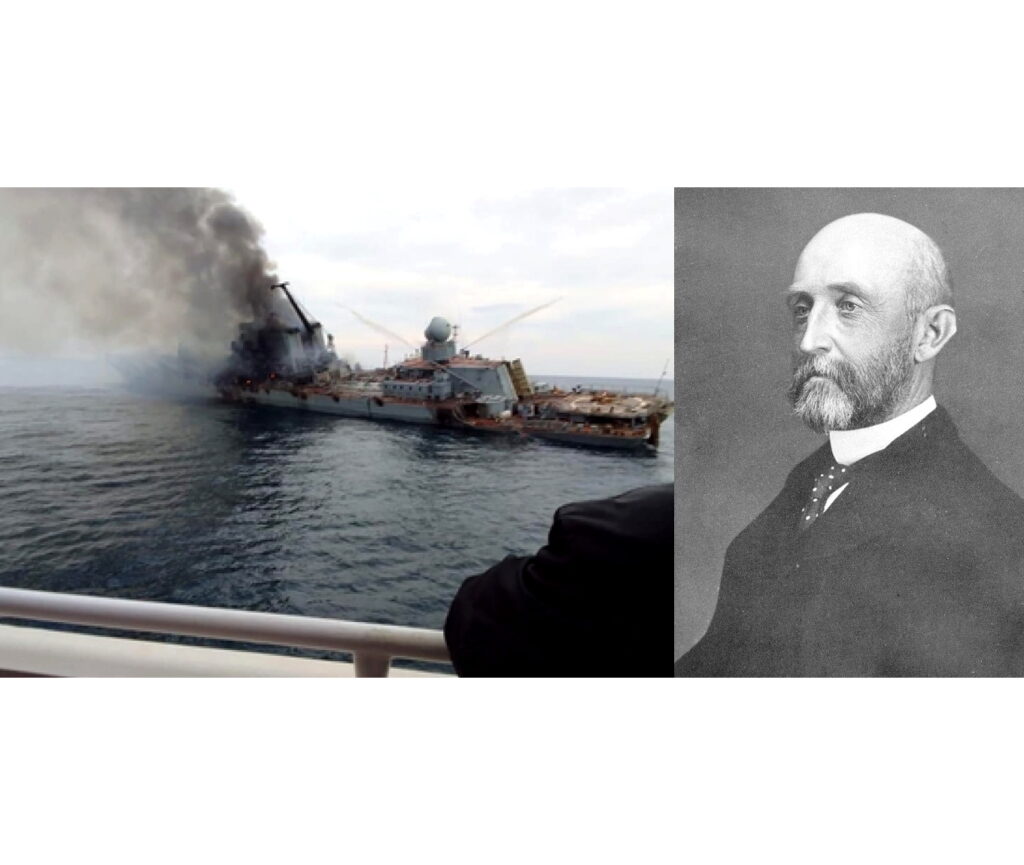
From Mahan to Machine: Autonomous Systems, Sea Control and the Future Maritime Battlespace

By Jonathan Bannister,
01 Oct 26

Ed. By situating the contemporary naval transformation in terms of strategic continuity, the author argues that the Hybrid Navy concept will require organisational transformation and leadership as much as technological innovation. A 30 minute read.
Read more

390
20th Century, Admiralty, Amphibious Operations, Anti-Submarine Warfare, Armed Forces, Battle of the Atlantic, Blockade, Campaigns, Civil-Military Relations, Coastal Forces, Colonialism, Command & Control, Doctrine, Economics, Equipment Capability, Escalation, Europe, First World War, Force Structure, Geostrategy, Germany, Historiography, Institutions, Joint Forces, Learning From The Past, Maritime Strategy, Maritime Trade, Merchant Navy, Military History, Morale, Naval History, Naval Platforms, Naval Tactics, Naval Warfare, Operational Art, Readiness, Risk Management, Royal Navy, Sea Power, Seapower, Strategy, Submarines, Supply Chains, United States Navy
14 minutes, 24 seconds

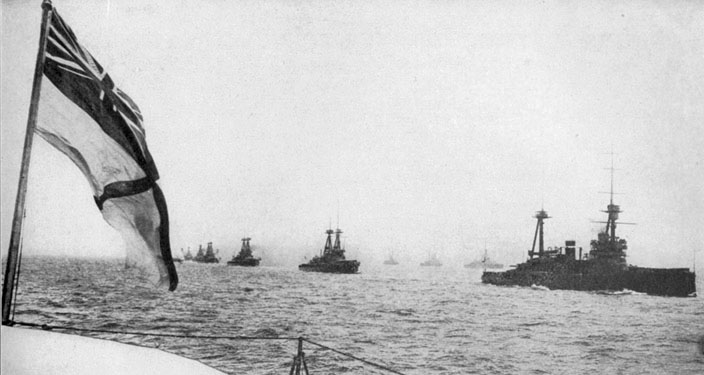
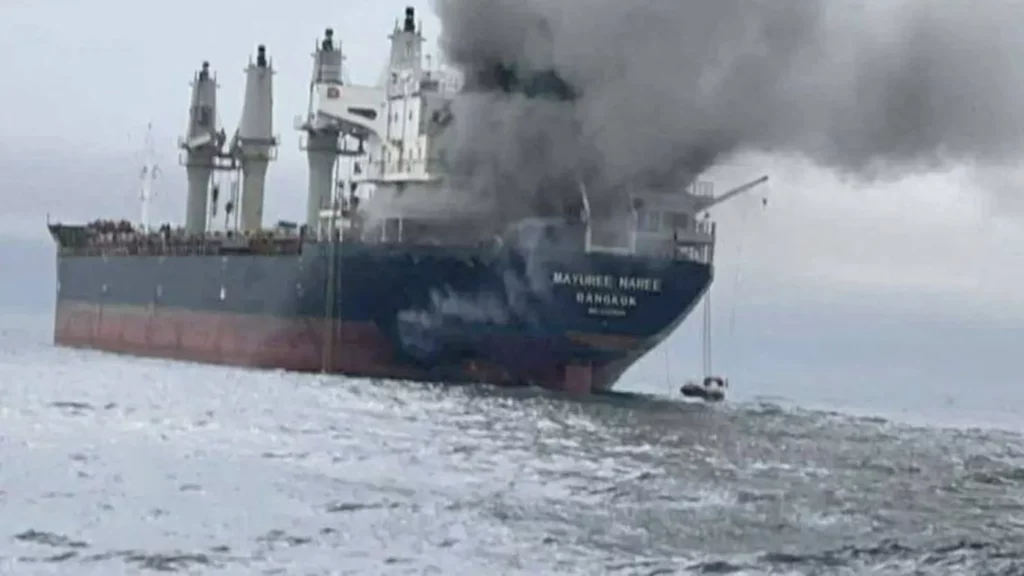
Sea Control Without Decisive Battle: Strategic Naval Employment in the First World War

By Keith McKinley,
13 Aug 26

Ed. The author’s straightforward study of naval strategy in the Great War, comparing British, US and German approaches. In the final analysis, quantity produced a quality all of its own. A 15 minute read.
Read more

1871
2
20th Century, 19th Century, Addressing Current Reality, Amphibious Operations, Arms Control, Balkans, Baltic, Black Sea, Blockade, Campaigns, Civil-Military Relations, Civilian Vessels, Coast Guard, Coastal Forces, Conflict Resolution, Crimean War, Diplomacy, Economics, Europe, First World War, Geopolitics, Geostrategy, Institutions, Iran, Law, Littoral, Maritime Security, Maritime Strategy, Maritime Trade, Middle East, Military History, National Defence, Naval History, Oil & Gas, Political Theory, Red Sea, Risk Management, Sea Power, Second World War, Strategy, Submarines, Trade Interdiction and Protection, Turkey, UNCLOS, United States Navy, United States of America
26 minutes, 34 seconds

The Montreux Convention: A Model for Hormuz?

By Capt Peter Hore (rtd),
11 Aug 26

Ed. The author’s investigation into the history of maritime strait multilateralism, a pertinent example of the ad hoc nature of sea control resulting from a rules-based vacuum, and the alternatives available to regional powers. A 25 minute read.
Read more

375
Admiralty, Air Power, Armed Forces, Blockade, Budgets and Finance, Campaigns, Civil Society, Civil-Military Relations, Communications, Defence Industry, Economics, Education, Equipment Capability, Escalation, Geopolitics, Globalisation, Hybrid Navy, Industry, Institutions, Iran, Joint Forces, Leadership, Logistics, Maritime Security, Maritime Strategy, Maritime Trade, Middle East, Ministry of Defence, National Defence, National Security, Naval Platforms, People, Readiness, Royal Navy, Russia, Sea Power, Seapower, Service Culture, Strategy, Tanker War, Technology, The Naval Review, Trade Interdiction and Protection, Ukraine, Uncategorized, United States of America
4 minutes, 10 seconds

Editorial: Naval Review 114/3

By Mike Beardall,
30 Jul 26

Ed. The vast population of this ‘sceptred isle’ is ‘sea blind’ or, if you prefer, ‘maritime illiterate’. We should acknowledge this as the steady state and the only thing that could change one’s appreciation would be total war.
Read more

438
4
20th Century, Age of Sail, Air Defence, Armed Forces, Black Sea, Blockade, Campaigns, Coastal Forces, Cold War, Combined Arms, Command & Control, Dockyards & Ports, Doctrine, Environment, Equipment Capability, First World War, Fleet Air Arm, General, Hybrid Navy, Iran, Italy, Japan, Joint Forces, Joint Operations, Learning From The Past, Littoral, Logistics, Maritime Security, Maritime Strategy, Military History, Modernisation, National Defence, National Security, Naval Aviation, Naval History, Naval Tactics, Naval Warfare, Operational Art, Operational Planning, Risk Management, Russia, Sea Power, Second World War, Strategy, Supply Chains, Tactics, Technology, Trade Interdiction and Protection, Ukraine, Uncrewed Surface Vessels (USVs), United States Navy, USNI
18 minutes, 54 seconds

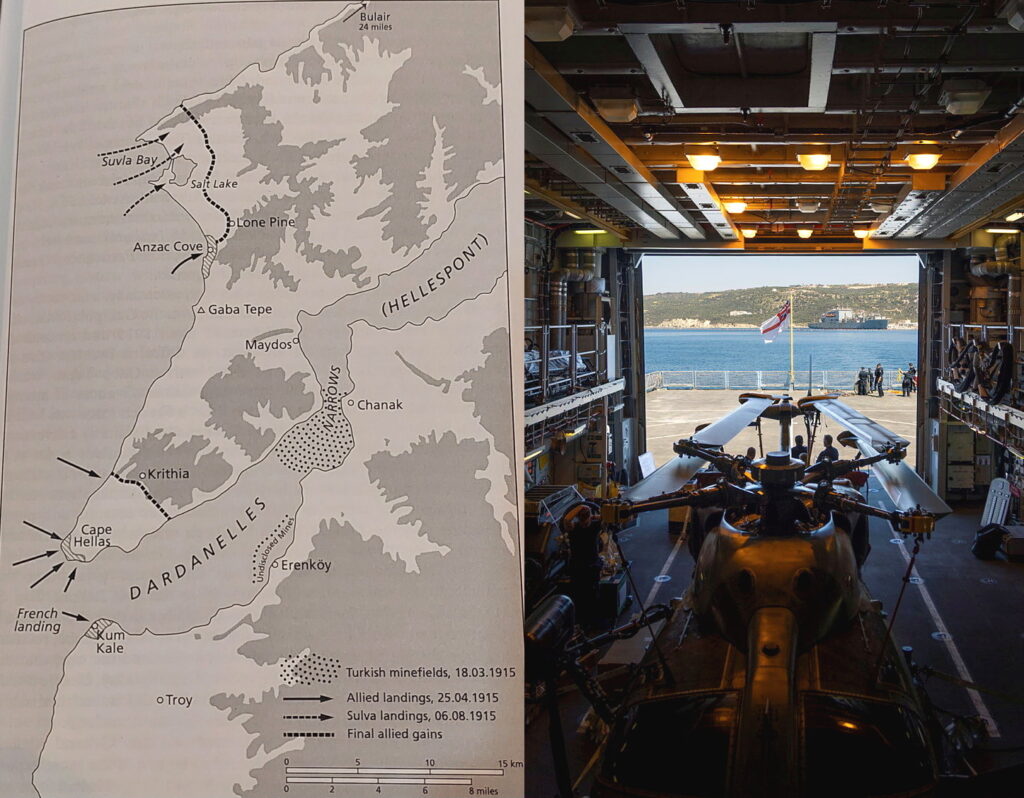
Naval Base Strike in the Theory and Practice of Sea Control

By A/Lt Cdr Teddy Bradley RN,
09 Jul 26

Ed. With historical and contemporary examples in mind, the author reconsiders naval strike as an indirect method of pursuing sea control. A 20 minute read.
Read more

430
1
Amphibious Operations, Armed Forces, Blockade, British Army, Campaigns, Coastal Forces, Combined Arms, Command & Control, Environment, First World War, France, Geostrategy, Joint Operations, Learning From The Past, Littoral, Maritime Strategy, Maritime Trade, Middle East, Military History, Naval History, Naval Tactics, Naval Warfare, Operational Art, Operational Planning, Persian Gulf, Sea Power, Strategy, Turkey
6 minutes, 4 seconds

Why Gallipoli still matters: predicting the challenges of a Straits of Hormuz invasion

By Lt Jim Haycock RN,
21 May 26

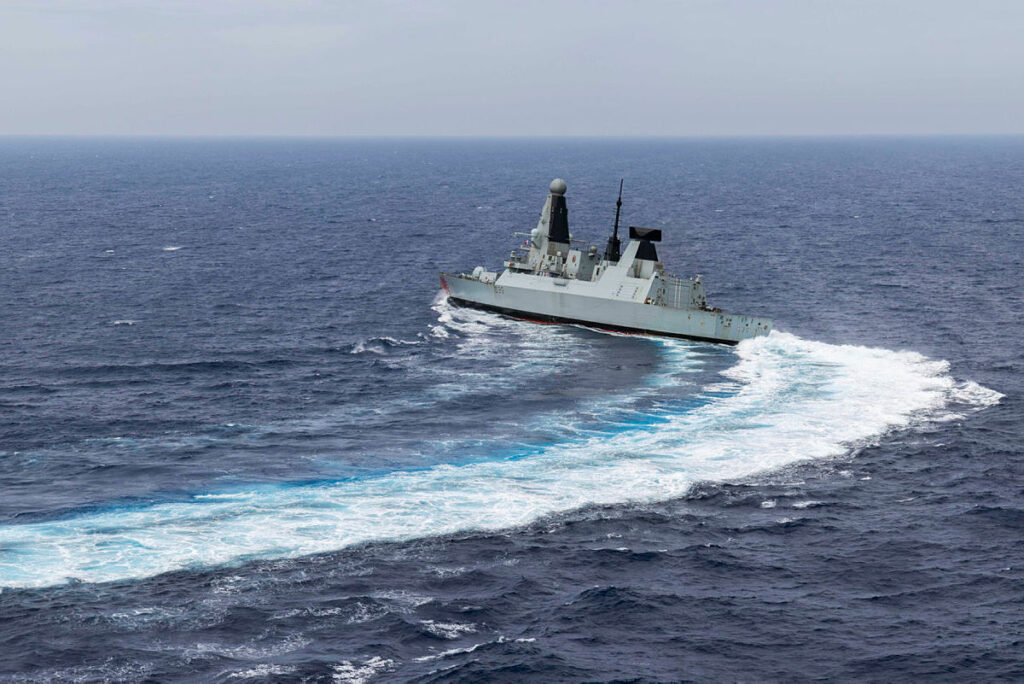
Ed. The author compares the Dardanelles campaign of 1915-1916 and the current situation in the Strait of Hormuz with respect to the use of force. A 5 minute read.
Read more

663
Age of Sail, Blockade, Campaigns, Coastal Forces, Colonialism, Dockyards & Ports, Early Modern, Economics, Energy, Environment, Europe, Geostrategy, Globalisation, Iran, Law, Learning From The Past, Littoral, Maritime Strategy, Maritime Trade, Middle East, Naval History, Naval Warfare, Oil & Gas, Persian Gulf, Portugal, Sea Power, Seapower, Strategy, Supply Chains, Trade Interdiction and Protection
9 minutes, 29 seconds

Portugal in the Persian Gulf: Maritime Power and Strategic Continuity

By Capt Manuel Amaral Mota (rtd),
14 May 26

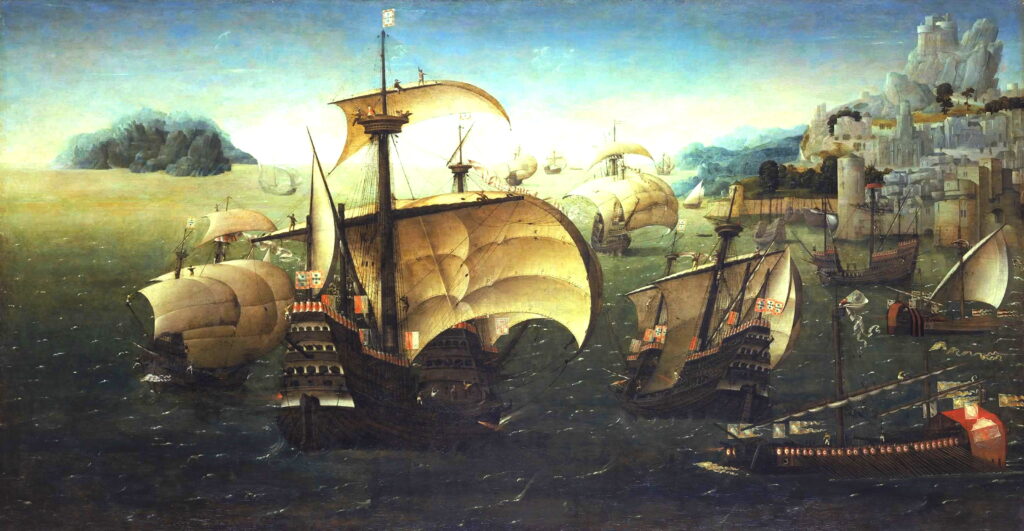
Ed. In the Sixteenth century, Portugal was a thalassocracy actively pursuing a strategy of maritime influence and control through the acquisition of strategic oceanic chokepoints – the kind Admiral Sir John Fisher would later describe as “the keys that lock up the world.” A 10 minute read.
Read more

528
25
Addressing Current Reality, Age of Sail, Air Defence, Armed Forces, AUKUS, Australia, Blockade, Budgets and Finance, Campaigns, China, Civil Society, Civil-Military Relations, Civilian Vessels, Conflict Resolution, Defence Industry, Diplomacy, Dockyards & Ports, Doctrine, Energy, Equipment Capability, Escalation, Europe, First World War, Geopolitics, Geostrategy, Globalisation, Industry, Infrastructure, Institutions, Iran, Joint Forces, Law, Maritime Security, Maritime Strategy, Maritime Trade, Media, Middle East, Mobilisation, National Security, NATO, Naval Platforms, Naval Warfare, Oil & Gas, Persian Gulf, Readiness, Red Sea, Refugees, Royal Fleet Auxiliary, Sanctions, Seapower, Strategy, Supply Chains, Trade Interdiction and Protection, United States Navy
16 minutes, 58 seconds

Farewell to the Royal Navy, The End of British Maritime Power

By Dr Mark Bailey,
12 May 26

Ed. With his trademark dissident perspective, the author tackles what he describes as the long-term decline of European and British maritime power, and compares the present situation in the Middle East with the financial consequences of the outbreak of war in 1914. A 15 minute read.

Read more

You're viewing the public website sign in or join for full access

Join Now