
News & Views
News, Articles and Comment
The latest news and views in the UK Military Maritime Arena.
Showing all
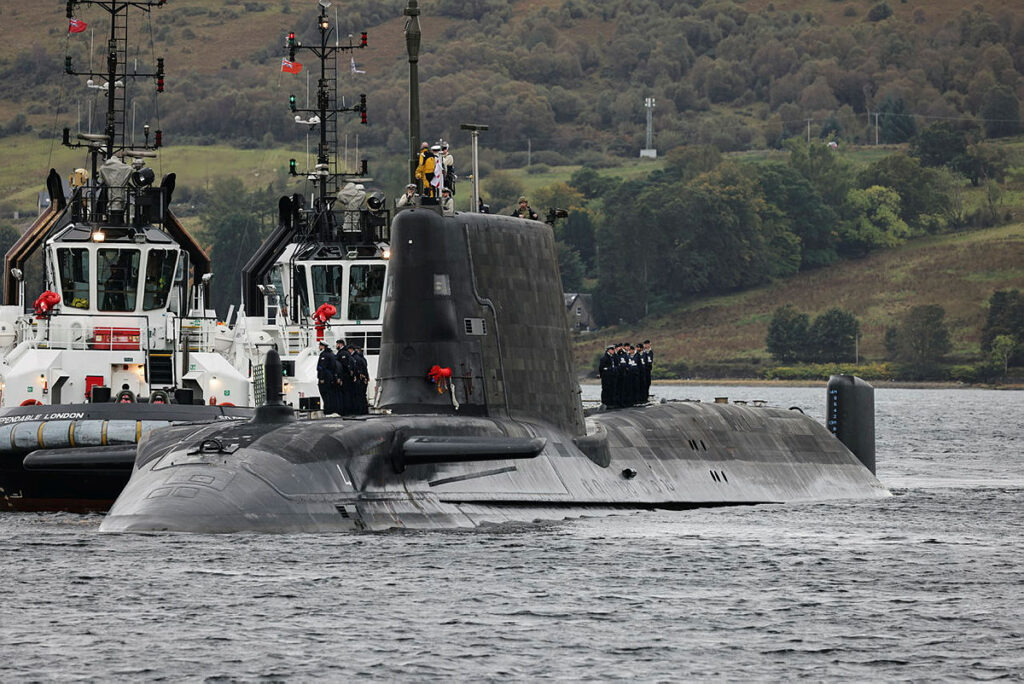
The Submarine Service – Is It Recoverable?
Ed. The author, with his trademark historical acumen, takes aim at the Astute-class as demonstrative of broader concerns about the trajectory of the Submarine Service itself. A 25 minute read.
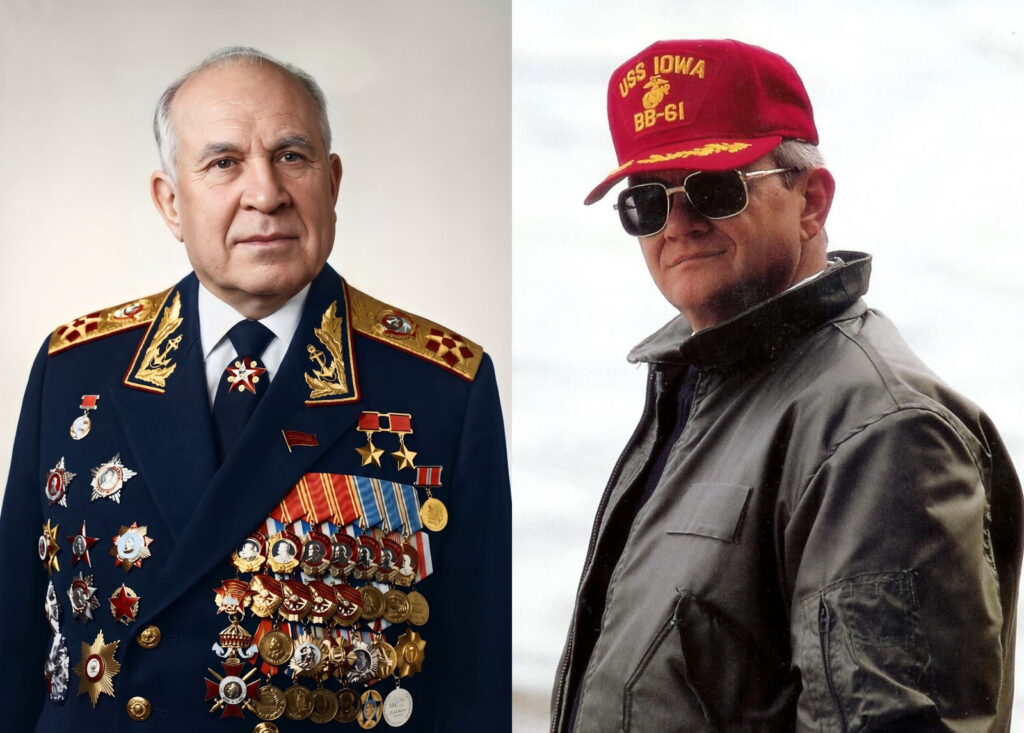
The Soviet Navy – why it still matters
Ed. The author presents a pointed critique of the Jane’s sourcebook taxonomy after the Cold War, partisans of Admiral Gorshkov and Tom Clancy notwithstanding. A 10 minute read.
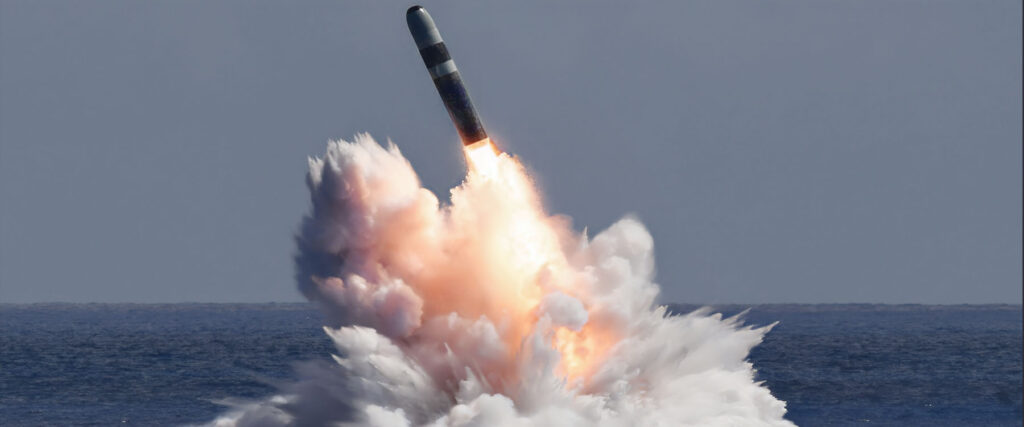
Fewer Boomers. Fewer Tubes. More Adversaries
Ed. The author, previously the navigator on board the USS South Dakota (SSN-790) and New Jersey (SSN-796), currently pursuing a PhD in Political Science at MIT, argues that the USN has drifted into a depleted SSBN force, but prudent reforms may yet carry forward strategic deterrence. Originally published in the USNI’s Proceedings, October 2026. A 15 minute read.
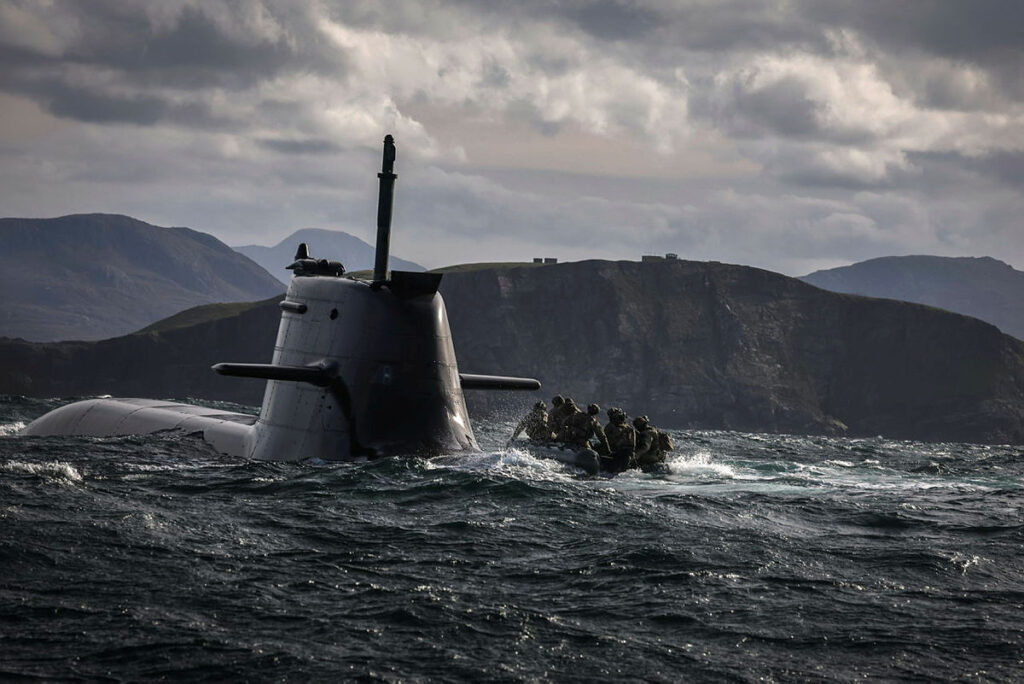
Letters to the Editor: SSN-AUKUS: Faux Serenity – Rising From The Smouldering Wreckage & The Hybrid Navy and the Language of Change
Ed. Two letters addressing the Allied and coalition implications for current and long-term RN transformation.
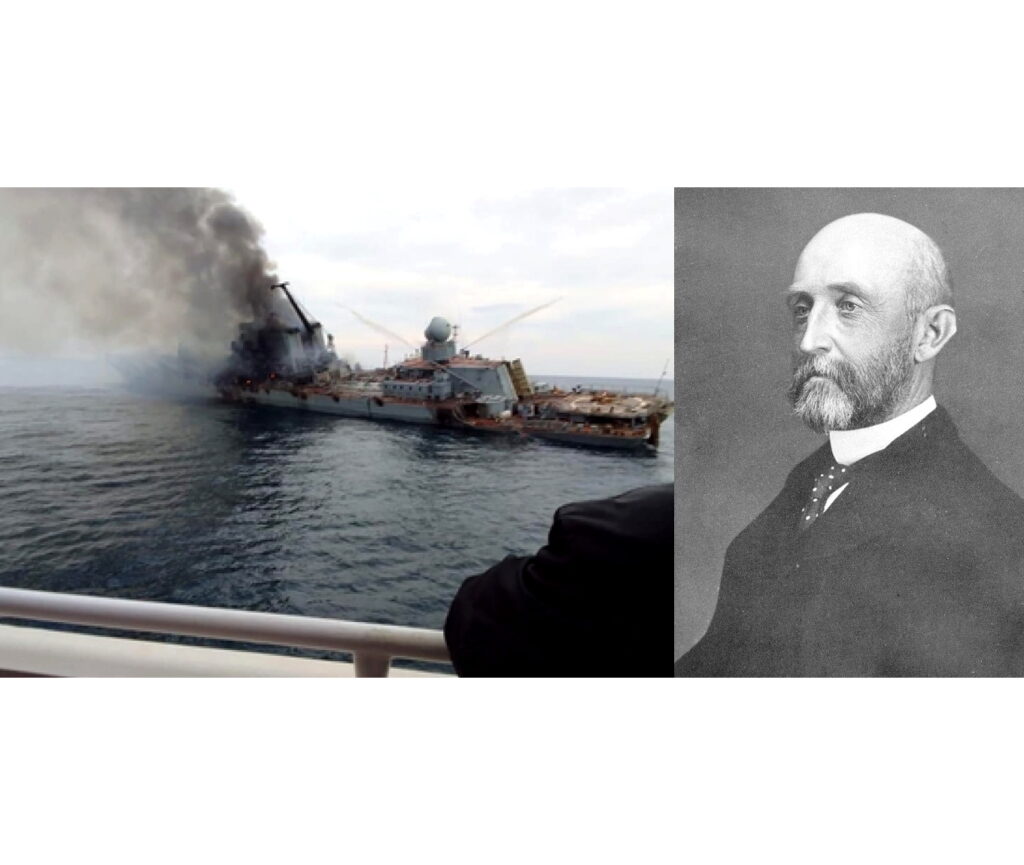
From Mahan to Machine: Autonomous Systems, Sea Control and the Future Maritime Battlespace
Ed. By situating the contemporary naval transformation in terms of strategic continuity, the author argues that the Hybrid Navy concept will require organisational transformation and leadership as much as technological innovation. A 30 minute read.
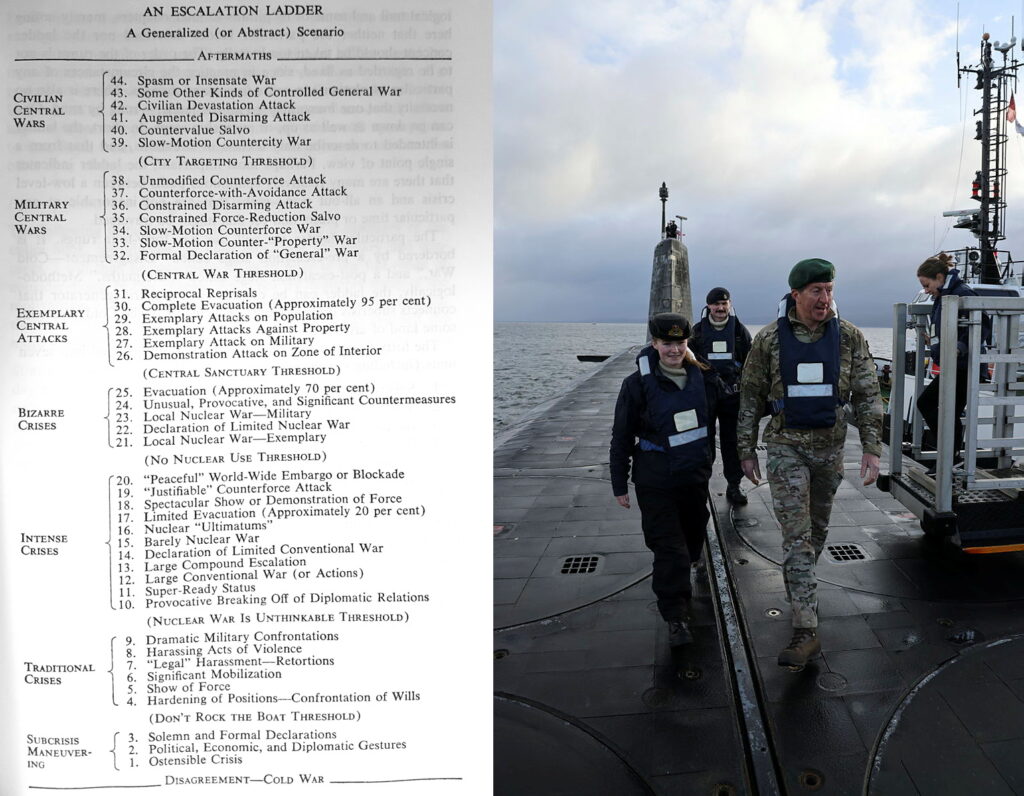
The Missing Rung
Ed. The author, a retired RN warfare officer, argues for sub-strategic Trident as a prudent escalation measure. A 10 minute read.
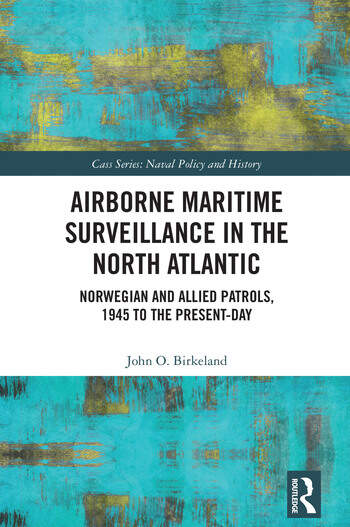
Latest Book Review, 11 September 2026
BRE. The latest book review is now available. It considers a book examining the development of airborne intelligence, surveillance and reconnaissance, in particular with regard to the maritime domain and anti-submarine warfare, and the role of submarines in Soviet/Russian naval strategy and operations.
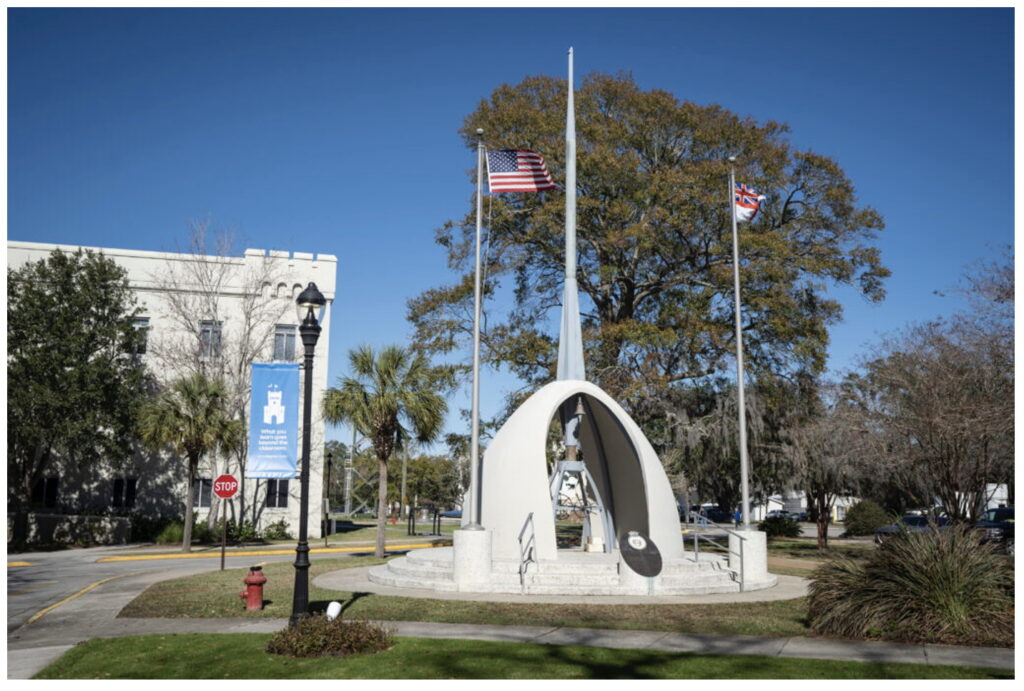
The Story of HMS (USS) Seraph
Ed. The author, previously published in the NR [113/3, pg. 424] and now with a new book out on the subject, employs his extensive knowledge of Allied mediterranean submarine operations to tell the story of HMS Seraph, a symbol of Allied resolve, which played a critical role in the TORCH landings. A 15 minute read.
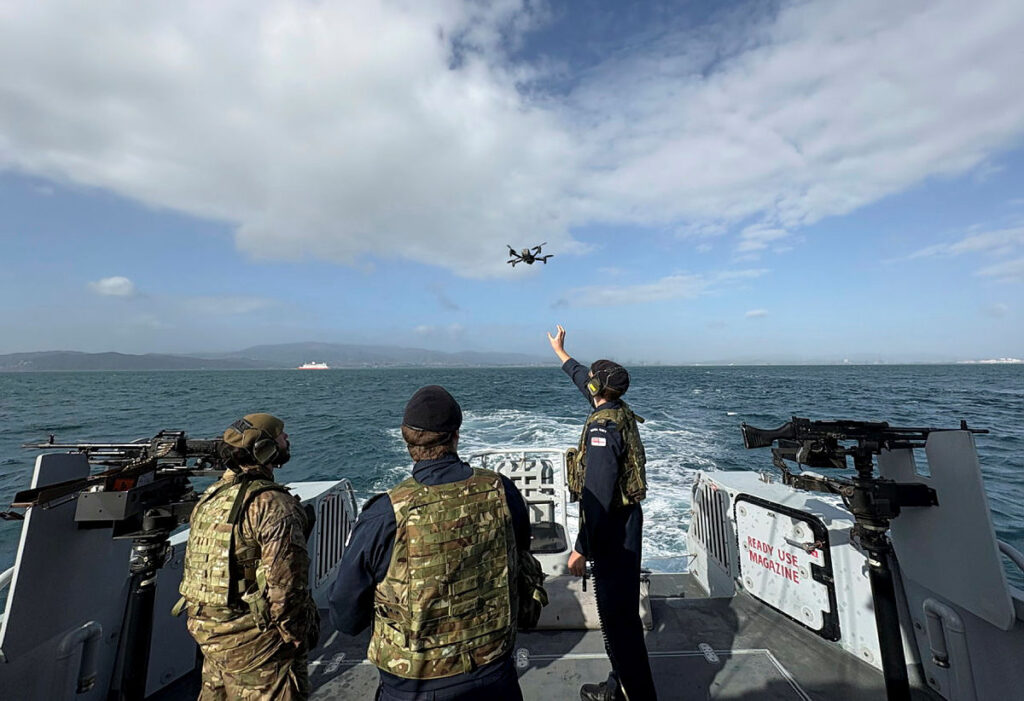
Hearts of Silicon? Uncrewed Ships, Human Sailors, and Prospects for a ‘Hybrid’ Royal Navy
Ed. With the Royal Navy declaredly pushing towards a ‘Hybrid’ fleet utilising several classes of complex ‘ship-like’ uncrewed vessels, the author, Associate Professor of International Security and Strategy at the University of Exeter, identifies key limitations of such autonomous naval systems and proposes that a lean-crewed model may instead offer distinctive advantages. A 25 minute read.
