
News & Views
News, Articles and Comment
The latest news and views in the UK Military Maritime Arena.
Showing all
More Than a Warfighter
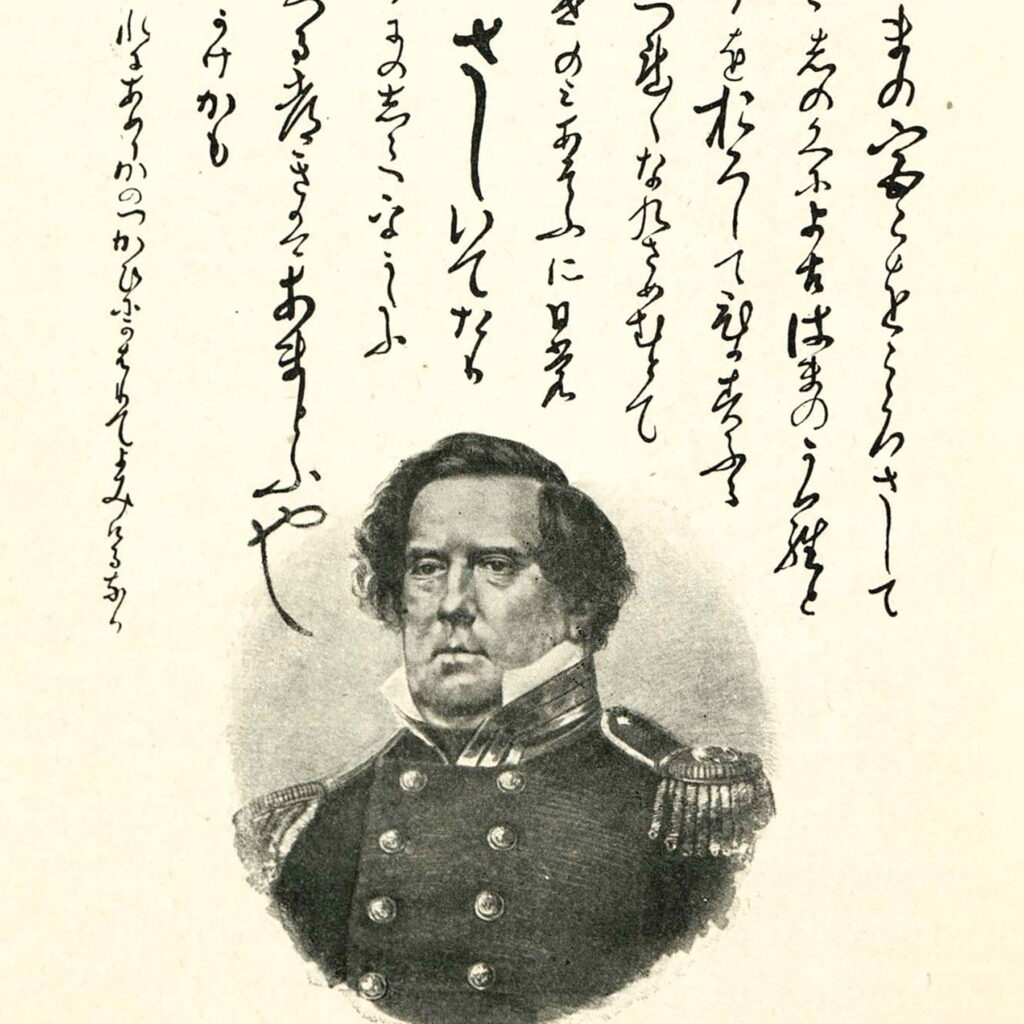
Ed. With Commodore Matthew Perry USN as a case study, the author, associate professor of war studies and naval history at the US Naval Academy, makes the case for maritime balance in the character of the professional naval officer. Originally published in the USNI’s Proceedings, September 2026. A 15 minute read.
The Story of HMS (USS) Seraph
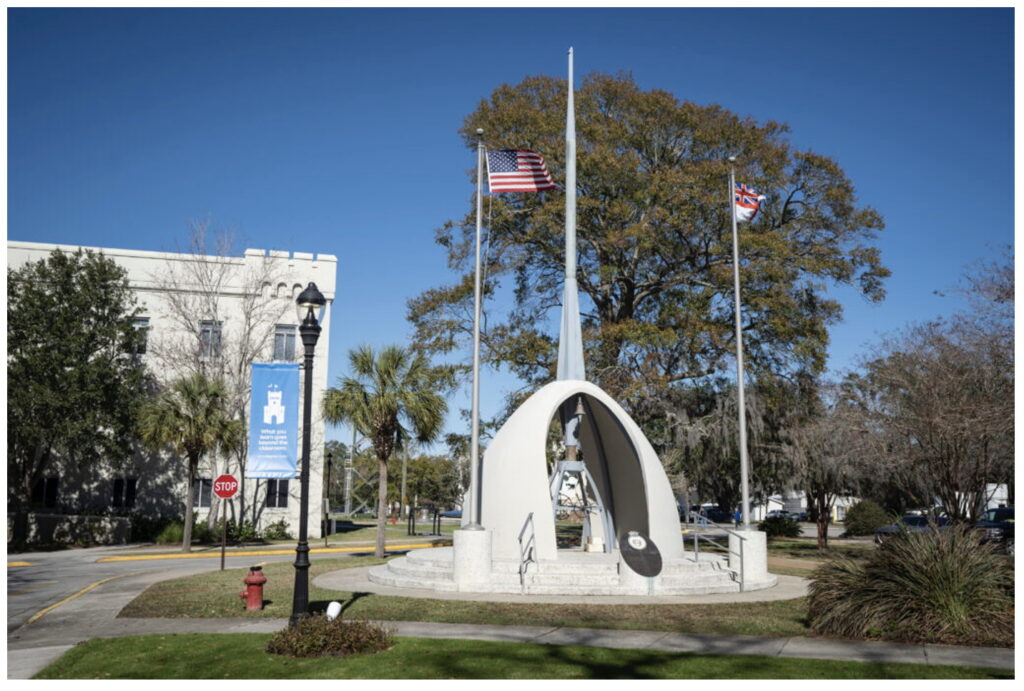
Ed. The author, previously published in the NR [113/3, pg. 424] and now with a new book out on the subject, employs his extensive knowledge of Allied mediterranean submarine operations to tell the story of HMS Seraph, a symbol of Allied resolve, which played a critical role in the TORCH landings. A 15 minute read.
The Montreux Convention: A Model for Hormuz?
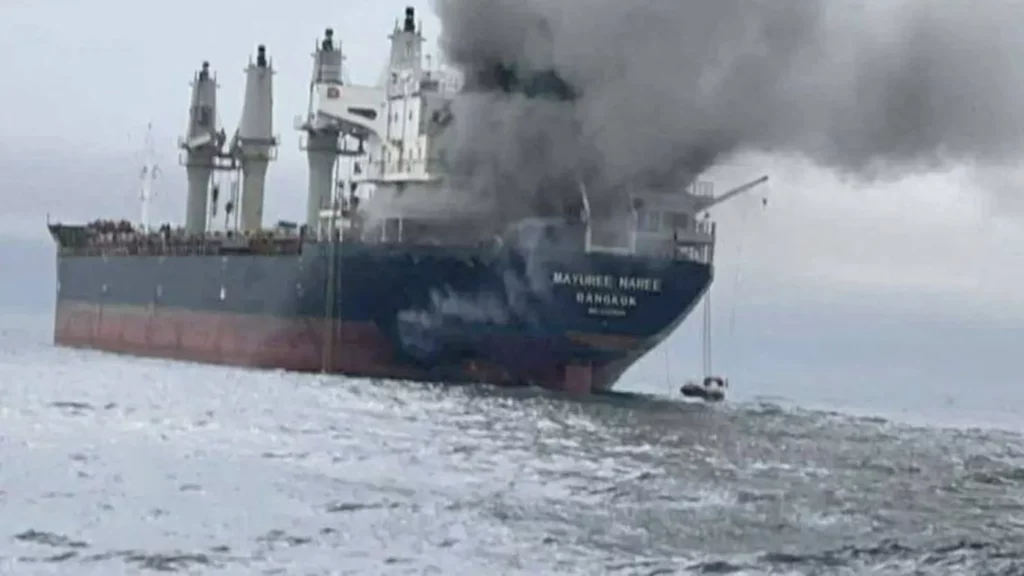
Ed. The author’s investigation into the history of maritime strait multilateralism, a pertinent example of the ad hoc nature of sea control resulting from a rules-based vacuum, and the alternatives available to regional powers. A 25 minute read.
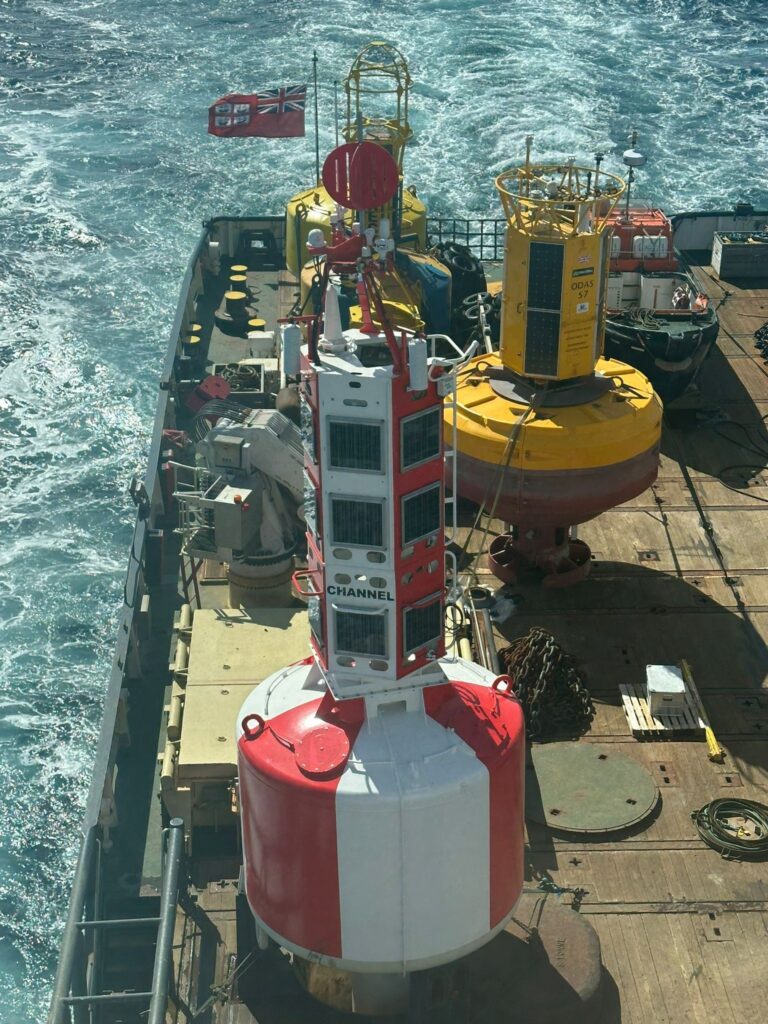
Keeping the UK Moving
Ed. The author’s call for resilience with respect to coastal navigation support. Hormuz has shown the vulnerability but there are other emerging challenges to chokepoints like our own Dover Strait. First published in The House Magazine, May 2026. A 5 minute read.
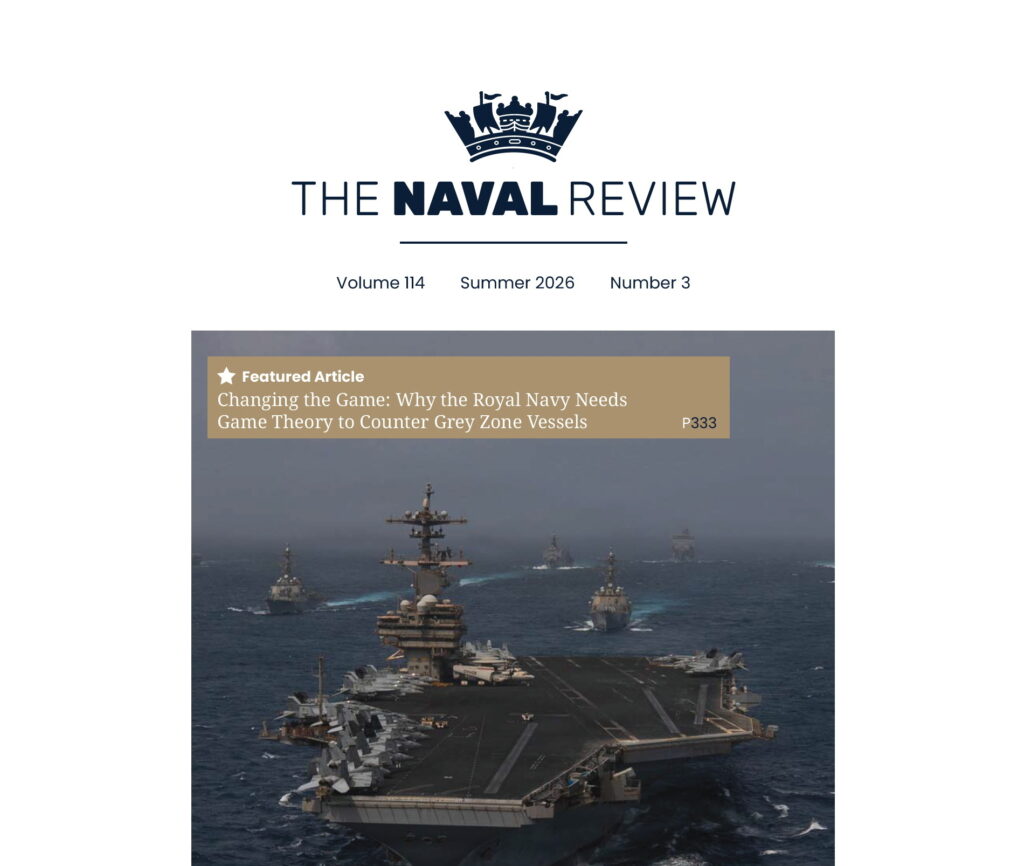
Editorial: Naval Review 114/3
Ed. The vast population of this ‘sceptred isle’ is ‘sea blind’ or, if you prefer, ‘maritime illiterate’. We should acknowledge this as the steady state and the only thing that could change one’s appreciation would be total war.

Naval Base Strike in the Theory and Practice of Sea Control
Ed. With historical and contemporary examples in mind, the author reconsiders naval strike as an indirect method of pursuing sea control. A 20 minute read.

Portugal in the Persian Gulf: Maritime Power and Strategic Continuity
Ed. In the Sixteenth century, Portugal was a thalassocracy actively pursuing a strategy of maritime influence and control through the acquisition of strategic oceanic chokepoints – the kind Admiral Sir John Fisher would later describe as “the keys that lock up the world.” A 10 minute read.

Farewell to the Royal Navy, The End of British Maritime Power
Ed. With his trademark dissident perspective, the author tackles what he describes as the long-term decline of European and British maritime power, and compares the present situation in the Middle East with the financial consequences of the outbreak of war in 1914. A 15 minute read.

Lead, Fight, Win: Reforming the Royal Navy to ensure that it is optimised for Warfighting
Ed. If the recent conflict in the Middle East has confirmed anything, it is that sea power remains essential to our nation’s prosperity. Much has been written about Operation EPIC FURY, the rapidly evolving threats we face and our ability to counter them, and how advances in drones, uncrewed and autonomous systems have forever changed the way we fight. But some things remain constant, as evidenced by Iran shutting the Strait of Hormuz, the vital maritime chokepoint through which a fifth of the world’s oil transits.
